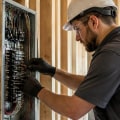
Electrical installation services play a crucial role in both residential and commercial settings, ensuring that electrical systems are set up safely and efficiently. These services encompass a wide range of tasks, from wiring and lighting installation to the setup of complex electrical systems that power modern buildings. By employing skilled electricians, property owners can ensure that their electrical installations meet the necessary standards for safety and functionality. The importance of electrical installation services cannot be overstated. Proper installation not only enhances the performance of electrical systems but also minimizes the risk of hazards such as electrical fires or equipment failures.
Furthermore, these services are essential for compliance with local building codes and regulations, which are designed to protect both the occupants and the integrity of the structure. Understanding the nuances of these codes is vital for any project, as non-compliance can lead to costly fines and unsafe living conditions. In an era where technology is rapidly evolving, the demand for reliable electrical installation services continues to grow. Whether it’s upgrading existing systems or installing new ones, these services ensure that all installations are performed with precision and care. As we delve deeper into how these services guarantee compliance with local codes, it becomes clear that they are not just about connecting wires; they are about creating safe environments where people can live and work without worry.
The Importance of Compliance with Local Codes
Compliance with local codes is a critical aspect of any electrical installation service.These codes are established to ensure the safety and reliability of electrical systems, protecting both property and lives. Understanding the importance of adhering to these regulations can help homeowners and businesses make informed decisions when hiring professionals for electrical work.
Local electrical codes
are designed to reflect the unique needs and conditions of specific regions. They take into account factors such as climate, building materials, and common electrical practices. By following these codes, electrical installation services can ensure that installations are not only safe but also efficient and durable.One of the primary reasons for compliance is safety.Non-compliance can lead to hazardous situations, including electrical fires, shocks, or even fatalities. For instance, improper wiring or inadequate grounding can create dangerous conditions that put occupants at risk. By adhering to local codes, electrical installation services minimize these risks and enhance the overall safety of the electrical system.Moreover, compliance with local codes is essential for legal reasons. Many jurisdictions require permits for electrical work, and failing to comply can result in fines or legal action.
Additionally, if an installation is found to be non-compliant during an inspection, it may need to be redone at significant cost to the homeowner or business owner.Insurance companies also play a role in the importance of compliance. Many policies require that all electrical work meets local codes; otherwise, claims related to electrical issues may be denied. This means that investing in a compliant electrical installation service not only protects your property but also ensures that you are covered in case of an incident.In summary, the importance of compliance with local codes cannot be overstated. It safeguards lives, ensures legal adherence, and protects financial investments.
When selecting an electrical installation service, always prioritize those who demonstrate a commitment to following local regulations.
Key Local Electrical Codes and Regulations
Electrical installation services play a crucial role in ensuring that all electrical work complies with both local electrical codes and the National Electrical Code (NEC). These codes are designed to promote safety, reliability, and efficiency in electrical installations.The National Electrical Code, established by the National Fire Protection Association (NFPA), serves as a baseline for electrical safety standards across the United States. While the NEC provides comprehensive guidelines, each state and locality may implement additional regulations tailored to their specific needs. This means that electrical installation services must not only be familiar with the NEC but also with any state regulations and local amendments that may apply.Examples of Local Codes
- Permitting Requirements: Many local jurisdictions require permits for electrical work, ensuring that installations are inspected and approved by qualified officials.
- Wiring Methods: Local codes may specify particular wiring methods or materials that differ from the NEC, reflecting regional safety concerns or environmental factors.
- Energy Efficiency Standards: Some areas have adopted stricter energy efficiency codes that mandate the use of energy-saving technologies in new installations.
Failure to adhere to local and national standards can result in hazardous conditions, including electrical fires or shock hazards. Moreover, non-compliance can lead to costly fines and the need for rework, which can significantly impact project timelines and budgets.In summary, understanding and adhering to both local electrical codes and the NEC is vital for electrical installation services. By staying informed about these regulations, they ensure safe, efficient, and compliant installations that meet the needs of their clients while safeguarding public welfare.
How Electrical Installation Services Ensure Compliance
Ensuring compliance with local codes is a critical responsibility for electrical installation services. These services implement a variety of practices and processes to adhere to the stringent regulations set forth by local authorities.Here are some key methods they utilize:
- Thorough Knowledge of Local Codes: Electrical installation professionals stay updated on the latest local codes and regulations. This includes understanding amendments and specific requirements that may differ from national standards.
- Regular Training and Certification: Many electrical installation services invest in ongoing training for their technicians. This ensures that all team members are knowledgeable about current compliance standards and best practices.
- Pre-Installation Inspections: Before commencing any project, reputable services conduct pre-installation inspections. This step helps identify potential compliance issues early, allowing for adjustments before work begins.
- Use of Quality Materials: Compliance often hinges on the materials used in electrical installations.
Services ensure that all components meet or exceed local code requirements, which can include using certified wiring, circuit breakers, and fixtures.
- Documentation and Permits: Obtaining the necessary permits is a crucial part of the compliance process. Electrical installation services handle all paperwork, ensuring that installations are legally sanctioned and documented.
- Post-Installation Inspections: After completing an installation, many services conduct thorough inspections to verify compliance with local codes. This may involve testing systems to ensure they operate safely and efficiently.
Training and Certification of Electrical Installers
Ensuring compliance with local codes is a critical aspect of any electrical installation service.One of the primary ways this is achieved is through the rigorous training and certification of electricians. These professionals undergo extensive education to familiarize themselves with the latest electrical standards and regulations.
Training for Electricians
- Electricians typically start their careers through an apprenticeship program, which combines hands-on training with classroom instruction.
- During this period, they learn about electrical theory, safety practices, and local building codes.
- Many programs also cover specialized areas such as residential, commercial, and industrial electrical systems.
Certification Requirements
- After completing their training, electricians must pass a certification exam to become licensed.
- This exam tests their knowledge of the National Electrical Code (NEC) as well as local amendments that may apply.
- Licensing requirements vary by state, but they generally ensure that electricians are qualified to perform installations safely and in compliance with local laws.
Continuing Education for Electricians
- The electrical field is constantly evolving due to technological advancements and changes in regulations.
- To maintain their licenses, electricians are often required to complete continuing education courses.
- This ongoing education helps them stay updated on new codes, safety practices, and innovative technologies in the industry.
Common Challenges in Compliance and How to Overcome Them
Electrical installation services often face a variety of challenges in compliance with local codes, which can lead to costly delays and safety hazards. Understanding these challenges is crucial for ensuring that installations meet regulatory standards. One common issue is the frequent updates to electrical codes.Local regulations can change based on new safety standards or technological advancements, making it difficult for electrical installation services to stay current. To overcome this, companies should invest in ongoing training for their technicians and regularly review local code updates. Another challenge is the complexity of different codes across jurisdictions. What is compliant in one area may not be acceptable in another. This inconsistency can lead to mistakes during installations.
To mitigate this risk, electrical installation services should establish strong relationships with local code enforcement officials and participate in community workshops to gain insights into specific requirements. Additionally, common mistakes in installations, such as improper wiring or inadequate grounding, can result in non-compliance. These errors often stem from a lack of attention to detail or insufficient knowledge of the codes. Implementing a thorough checklist system during installations can help technicians verify compliance at each step. Finally, documentation plays a vital role in compliance. Inadequate record-keeping can lead to misunderstandings during inspections.
Electrical installation services should maintain detailed logs of all work performed, including materials used and inspections passed, to ensure transparency and accountability. By addressing these challenges head-on and implementing effective strategies, electrical installation services can enhance their compliance efforts and deliver safe, reliable installations that meet local standards.
FAQs About Electrical Installation Services and Compliance
When considering electrical installation services, many homeowners and business owners have questions regarding compliance with local codes. Here are some frequently asked questions that can help clarify this important aspect:- What are local electrical codes?
Local electrical codes are regulations set by municipalities to ensure safety and standardization in electrical installations. These codes can vary significantly from one area to another, reflecting local safety concerns and building practices. - How do electrical installation services ensure compliance?
Reputable electrical installation services stay updated on local codes and regulations. They often employ licensed electricians who are trained to understand and implement these codes during installations.Additionally, they may conduct regular training sessions to keep their teams informed about any changes in legislation.
- What happens if my installation does not comply?
If an installation does not meet local codes, it can lead to serious consequences, including fines, mandatory repairs, or even the revocation of permits. In some cases, non-compliance can pose safety risks, such as electrical fires or shock hazards. - Can I check if my installation is compliant?
Yes, you can request an inspection from your local building authority or hire a third-party inspector to evaluate your electrical work. This can provide peace of mind that your installation meets all necessary standards. - Are there benefits to hiring a licensed electrician?
Hiring a licensed electrician ensures that your electrical installation service adheres to local codes and standards. Licensed professionals have the expertise to navigate complex regulations and can help avoid costly mistakes.
Conclusion: The Path to Safe and Compliant Electrical Installations
In conclusion, ensuring compliance with local codes is a critical aspect of any electrical installation service.Throughout this article, we have explored the various ways in which these services uphold safety standards and adhere to regulations. By prioritizing compliance, electrical installation professionals not only protect the integrity of their work but also safeguard the well-being of homeowners and businesses. One of the key takeaways is the importance of hiring qualified and licensed electricians who are well-versed in local codes. These professionals undergo rigorous training and stay updated on changes in regulations, ensuring that every installation meets the necessary legal requirements. This expertise minimizes the risk of electrical hazards, which can lead to severe consequences, including fires or electrocution. Moreover, reputable electrical installation services conduct thorough inspections and obtain the required permits before commencing any work.
This process not only verifies compliance but also provides peace of mind to clients, knowing that their installations are being handled by experts. As you consider your next electrical project, remember that cutting corners can lead to costly mistakes and potential dangers. Always prioritize hiring a qualified electrical installation service that emphasizes compliance with local codes. By doing so, you are investing in safety, reliability, and long-term satisfaction with your electrical systems. In summary, compliance is not just a legal obligation; it is a commitment to quality and safety that every homeowner should demand from their electrical service providers. Choose wisely and ensure your installations are both safe and compliant.