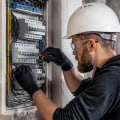
Electrical installation services encompass a wide range of tasks that are essential for ensuring the safety and efficiency of electrical systems in residential, commercial, and industrial settings. These services include everything from the installation of wiring and circuit breakers to the setup of lighting fixtures and electrical panels. Understanding the scope of electrical installation services is crucial for homeowners and business owners alike, as it lays the foundation for a safe and functional electrical environment. The importance of these services cannot be overstated. Proper electrical installations not only enhance the functionality of your space but also significantly reduce the risk of electrical hazards such as fires or electrocution.
Moreover, well-executed installations can lead to improved energy efficiency, which translates to lower utility bills and a reduced carbon footprint. By investing in professional electrical installation services, you are prioritizing safety and long-term savings. There are various types of electrical installation services available, each tailored to meet specific needs. For instance, residential installations may focus on lighting design and home automation systems, while commercial installations often involve more complex setups like three-phase power systems or specialized equipment wiring. Understanding these different types helps you identify what services are necessary for your particular situation, making it easier to schedule maintenance effectively.
The Importance of Regular Maintenance for Electrical Installations
Regular maintenance of electrical installations is crucial for several reasons, primarily focusing on safety, efficiency, and the longevity of your systems.Neglecting this essential service can lead to serious consequences that affect both your property and personal safety.
The Importance of Safety
One of the most significant reasons to schedule regular maintenance for your electrical systems is to ensure safety. Faulty wiring or outdated components can pose serious fire hazards. According to the National Fire Protection Association (NFPA), electrical failures are a leading cause of home fires. Regular inspections can identify potential issues before they escalate into dangerous situations.Enhancing Efficiency
Another benefit of routine maintenance is improved energy efficiency.Over time, electrical systems can become less efficient due to wear and tear or the accumulation of dust and debris. This inefficiency can lead to higher energy bills and increased strain on your electrical components. By scheduling regular electrical installation services, you can ensure that your systems operate at peak performance, ultimately saving you money in the long run.
Extending Lifespan
Regular maintenance not only enhances safety and efficiency but also extends the lifespan of your electrical installations. Just like any other system in your home, electrical components require care and attention.Routine checks can help identify wear and tear early, allowing for timely repairs or replacements that prevent more extensive damage.
Risks of Neglecting Maintenance
- Increased Repair Costs: Ignoring maintenance can lead to more significant issues that require costly repairs.
- Decreased Property Value: Poorly maintained electrical systems can negatively impact your home’s value.
- Safety Hazards: The risk of electrical fires or shocks increases significantly without regular checks.
How Often Should You Schedule Electrical Installation Services?
When it comes to scheduling electrical installation services for maintenance, the frequency can vary significantly based on several factors. Understanding these factors can help you determine the best schedule for your specific needs.1.Type of Installation:
- Residential Installations: For homes, it is generally recommended to schedule maintenance at least once every three years. This allows for the identification of potential issues before they become serious problems.
- Commercial Installations: Businesses that rely heavily on electrical systems should consider more frequent maintenance, ideally every six months to a year, depending on usage and local regulations.
2.Usage Patterns:
The frequency of maintenance should also take into account how often the electrical systems are used.
For example, if you have high-demand appliances or equipment running regularly, more frequent checks may be necessary.
3.Local Regulations:
Some areas have specific codes and regulations that dictate how often electrical systems must be inspected and maintained. Always check with local authorities or a licensed electrician to ensure compliance.
4.Signs of Wear:
- If you notice flickering lights, tripped breakers, or unusual sounds from your electrical system, it’s time to schedule an inspection regardless of your regular maintenance schedule.
Factors Influencing Maintenance Frequency
When considering how often to schedule electrical installation services for maintenance, several key factors come into play. Understanding these factors can help you tailor a maintenance schedule that suits your specific needs.Usage Patterns
The frequency of use of your electrical systems significantly impacts maintenance needs.For instance, if you operate a commercial facility with heavy electrical loads, you may require more frequent inspections and servicing compared to a residential setting. Regular usage can lead to wear and tear, making it essential to monitor the performance of your systems closely.
Environmental Factors
The environment in which your electrical systems operate also plays a crucial role. Areas with high humidity, dust, or extreme temperatures can accelerate the deterioration of electrical components. For example, coastal regions may experience corrosion due to salt air, necessitating more frequent maintenance checks.If your installation is exposed to harsh conditions, consider scheduling maintenance more often.
System Age
The age of your electrical installation is another critical factor. Older systems are more prone to issues such as outdated wiring or components that no longer meet current safety standards. As systems age, they may require more frequent inspections to ensure they remain safe and functional. If your installation is over 10 years old, it’s advisable to consult with a professional about increasing the frequency of maintenance services.In summary, by evaluating usage patterns, environmental factors, and system age, you can develop a tailored maintenance schedule for your electrical installations.Regular assessments will not only enhance safety but also prolong the lifespan of your systems.
Signs That Indicate It's Time for Electrical Maintenance
Recognizing the signs of electrical issues early can prevent costly repairs and ensure the safety of your home or business. Here are some common indicators that it’s time to schedule electrical installation services for maintenance:- Frequent Circuit Breaker Trips: If your circuit breakers are tripping often, it may indicate an overloaded circuit or a more serious electrical problem.
- Flickering or Dimming Lights: Lights that flicker or dim unexpectedly can signal a loose connection or an issue with the electrical supply.
- Burning Smell: A burning odor near outlets or appliances is a serious warning sign that should not be ignored. This could indicate overheating wires or faulty equipment.
- Warm or Discolored Outlets: Outlets that feel warm to the touch or show discoloration may be overheating, which can lead to fire hazards.
- Buzzing Sounds: Unusual sounds coming from outlets or switches can indicate faulty wiring or a failing electrical component.
Regular maintenance checks can help identify potential issues before they escalate, ensuring your electrical systems operate safely and efficiently. Additionally, consider scheduling routine inspections even if you don’t notice any immediate problems. This proactive approach can help maintain the integrity of your electrical systems and prolong their lifespan.
Frequently Asked Questions About Electrical Installation Services and Maintenance
When it comes to electrical installation services, many homeowners have questions regarding maintenance and troubleshooting. Here are some frequently asked questions that can help clarify common concerns.How often should I schedule maintenance for my electrical system?
It is generally recommended to schedule a professional inspection of your electrical system at least once every three to five years. However, if you notice any signs of wear or malfunction, such as flickering lights or frequent circuit breaker trips, you should contact an electrician immediately.What are the signs that my electrical system needs attention?
- Flickering or dimming lights: This could indicate an overloaded circuit or a problem with the wiring.
- Burning smells: If you smell burning plastic or insulation, it’s crucial to turn off the power and call a professional.
- Frequent circuit breaker trips: This may suggest that your system is overloaded or there is a fault in the wiring.
Can I perform my own electrical maintenance?
While some minor tasks, like changing light bulbs or resetting breakers, can be done by homeowners, it’s essential to leave major maintenance and repairs to licensed professionals.Attempting DIY repairs can lead to safety hazards and may void warranties on your electrical installations.
What should I do if I experience an electrical issue?
If you encounter any electrical issues, follow these steps:- Turn off the power to the affected area.
- Check for any obvious signs of damage or malfunction.
- If the problem persists, contact a qualified electrical installation service for assistance.
Conclusion: Prioritizing Your Electrical Installation Maintenance Schedule
In conclusion, prioritizing your electrical installation maintenance schedule is essential for ensuring the safety, efficiency, and longevity of your electrical systems. Regular maintenance not only helps in identifying potential issues before they escalate into costly repairs but also enhances the overall performance of your electrical installations. As discussed, scheduling maintenance services at least once a year is a good practice for most residential and commercial properties. However, certain factors may necessitate more frequent inspections:- Age of the Installation: Older systems may require more regular checks to ensure they are functioning safely.
- Usage Patterns: High-demand environments, such as industrial settings, may benefit from bi-annual or quarterly maintenance.
- Previous Issues: If your installation has a history of problems, more frequent evaluations can help mitigate risks.
Don’t hesitate to consult with a qualified electrician to determine the best maintenance plan for your installations.