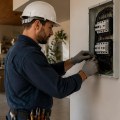
Electrical installation is a critical aspect of any building project, encompassing the setup of electrical systems that power our homes and businesses. This process involves a variety of tasks, from wiring and circuit installation to the integration of lighting and power outlets. Understanding electrical installation is essential not only for ensuring safety but also for optimizing energy efficiency and functionality within a space. There are several types of electrical installations, each serving different purposes. For instance, residential installations focus on providing power to homes, while commercial installations cater to businesses with more complex electrical needs.
Additionally, specialized installations such as industrial or renewable energy systems are becoming increasingly popular as technology advances. Each type requires a unique approach and understanding of local codes and regulations. The importance of proper electrical installation cannot be overstated. Faulty installations can lead to serious hazards, including electrical fires and equipment damage. Moreover, a well-executed installation enhances the overall performance of electrical systems, ensuring they operate efficiently and reliably.
As you consider whether to undertake your own electrical work or hire an electrical installation service, it’s crucial to weigh these factors carefully. The right choice can significantly impact both safety and functionality in your space.
The Pros and Cons of DIY Electrical Installation
When considering whether to undertake your own electrical installation, it's essential to weigh the pros and cons carefully. While the allure of saving money can be tempting, the risks associated with DIY electrical work can be significant.Benefits of DIY Electrical Installation
- Cost Savings: One of the most appealing aspects of performing your own electrical installation is the potential for cost savings. Hiring a professional electrical installation service can be expensive, and by doing it yourself, you can avoid labor costs.
- Flexibility: DIY projects allow you to work on your own schedule.
You can take your time to ensure everything is done correctly without the pressure of a contractor's timeline.
- Learning Experience: Engaging in DIY electrical work can be a valuable learning experience. It provides an opportunity to gain hands-on knowledge about your home's electrical system.
Risks of DIY Electrical Work
- Safety Hazards: Electricity is dangerous. Incorrect installations can lead to serious injuries or even fatalities. Without proper training, you may not recognize potential hazards.
- Code Violations: Electrical work must comply with local building codes.
Failing to adhere to these regulations can result in fines or complications when selling your home.
- Long-Term Costs: While you may save money upfront, poor installations can lead to costly repairs down the line. Faulty wiring can cause damage to appliances or even lead to house fires.
When to Consider Hiring an Electrical Installation Service
When it comes to electrical installation, there are several scenarios where hiring a professional electrical installation service is not just advisable, but essential for safety and compliance.Complex Installations
If your project involves complex systems such as rewiring an entire home, installing new circuits, or integrating smart home technology, it’s best to hire a professional. These tasks require a deep understanding of electrical systems and local codes that a licensed electrician possesses.Safety Concerns
Electrical work can be dangerous.If you notice signs of electrical issues such as flickering lights, frequent circuit breaker trips, or burning smells, it’s crucial to seek professional help. Attempting to fix these problems without the right expertise can lead to serious injuries or even fires.
Compliance with Regulations
Every state has specific regulations regarding electrical installations. A professional electrician is familiar with these codes and ensures that all work complies with local laws. This not only protects you legally but also ensures the safety of your home.Benefits of Hiring a Professional Electrician
- Expertise: Professionals have the training and experience to handle various electrical tasks efficiently.
- Time-Saving: Hiring an expert can save you time and hassle, allowing you to focus on other important aspects of your project.
- Warranty and Insurance: Many professional services offer warranties on their work and are insured, providing peace of mind in case of future issues.
Prioritizing safety and compliance will ultimately save you time, money, and potential hazards in the long run.
Legal Requirements and Safety Standards
When considering whether to undertake your own electrical installation, it is crucial to understand the legal requirements and safety standards that govern electrical work. Each state has its own regulations, which are designed to ensure the safety of both the installer and the occupants of the property.Electrical Installation Regulations
- Most jurisdictions require that any significant electrical work be performed by a licensed electrician. This is to ensure compliance with the National Electrical Code (NEC) and local amendments.
- Homeowners may be allowed to perform minor electrical tasks, such as replacing outlets or light fixtures, but even these tasks can have specific regulations.
- It is essential to check with your local building department to understand what types of work require a permit and what can be done without one.
Permits for Electrical Installation
- A permit is often required for any major electrical installation or modification. This includes adding new circuits, installing new panels, or any work that alters the existing electrical system.
- Obtaining a permit typically involves submitting plans and paying a fee.
Inspections may also be required to ensure that the work meets safety standards.
- Failing to obtain the necessary permits can lead to fines and may complicate future home sales.
Safety Standards for Electrical Work
- Safety standards are established to prevent electrical hazards such as shocks, fires, and equipment damage. These standards dictate how installations should be performed, including wire sizing, grounding methods, and circuit protection.
- Using proper materials and following installation guidelines is critical. For example, using wires rated for the appropriate amperage and ensuring all connections are secure can prevent dangerous situations.
- If you are unsure about any aspect of electrical work, it is advisable to consult with or hire a professional electrical installation service. They have the expertise to navigate complex regulations and ensure that all work is compliant with safety standards.
When in doubt, hiring a qualified electrical installation service not only ensures compliance but also enhances safety in your home.
Cost Comparison: DIY vs. Professional Services
When considering whether to undertake your own electrical installation or hire a professional electrical installation service, understanding the costs involved is crucial. This section will break down the financial implications of both options.Cost of DIY Electrical Installation
Embarking on a DIY electrical project can initially seem like a cost-effective solution. However, it’s essential to account for various expenses:- Materials: The cost of materials can vary significantly based on the complexity of the installation.
Basic wiring, outlets, and switches may cost around $100 to $300, while more extensive projects could exceed $1,000.
- Tools: If you don’t already own the necessary tools, purchasing or renting them can add another $50 to $200 to your budget.
- Permits and Inspections: Depending on local regulations, you may need permits that can range from $50 to several hundred dollars. Additionally, inspection fees might apply.
Cost of Hiring an Electrician
On the other hand, hiring a professional electrical installation service comes with its own set of costs:- Labor Costs: Electricians typically charge between $50 and $100 per hour. For a standard installation, you might expect to pay for 2 to 5 hours of labor.
- Materials: While professionals often mark up material costs, they also have access to wholesale prices that can save you money in the long run.
- Warranty and Safety: Hiring a licensed electrician ensures that the work is up to code and often comes with warranties that protect your investment.
Conclusion:
While DIY installations may appear cheaper at first glance, hidden costs and potential safety risks can make hiring a professional a more prudent choice in many cases. Assess your budget carefully and consider not just the immediate expenses but also long-term implications when deciding between DIY and professional services.
Common Electrical Installation Mistakes to Avoid
When considering a DIY electrical installation, it’s crucial to be aware of common mistakes that can lead to serious safety hazards or unexpected costs.Here are some frequent errors to avoid:
- Neglecting Local Codes and Regulations: Each state has specific electrical codes that must be followed. Failing to adhere to these regulations can result in fines and unsafe installations.
- Overloading Circuits: One of the most common mistakes is connecting too many devices to a single circuit. This can cause overheating and increase the risk of fire.
- Improper Wire Sizing: Using wires that are too small for the load can lead to overheating. Always ensure that the wire gauge matches the requirements of your installation.
- Ignoring Grounding Requirements: Proper grounding is essential for safety.
Neglecting this step can lead to electrical shocks or equipment damage.
- Inadequate Junction Box Use: Failing to use junction boxes or using them incorrectly can create a fire hazard. Always ensure that connections are made within a proper junction box.
- Not Testing Your Work: After completing an installation, it’s vital to test all connections and circuits. Skipping this step can leave dangerous issues undetected.
- Research Thoroughly: Before starting any project, take the time to understand the requirements and best practices for electrical installations.
- Consult Professionals: If you’re unsure about any aspect of your installation, don’t hesitate to seek advice from a qualified electrical installation service.
- Invest in Quality Materials: Using high-quality materials can prevent many issues down the line, ensuring a safer and more reliable installation.
FAQs About Electrical Installation Services
When considering whether to undertake your own electrical installation or hire a professional service, several common questions arise.Here are some frequently asked questions that can help clarify your doubts:
- What are the risks of DIY electrical installations? Performing your own electrical work can be dangerous if you lack the necessary knowledge and skills. Risks include electrical shocks, fires, and potential code violations that could lead to costly repairs.
- How do I know if I need a permit for my electrical work? Most local jurisdictions require permits for significant electrical installations or modifications. It's essential to check with your local building department to ensure compliance with regulations.
- What qualifications should I look for in an electrical installation service? When hiring an electrician, look for licensed professionals with experience in the specific type of work you need. Check reviews and ask for references to ensure quality service.
- Can I save money by doing it myself? While DIY projects may seem cost-effective initially, mistakes can lead to expensive repairs and safety hazards.
Hiring a professional may save you money in the long run by ensuring the job is done correctly.
- What are the benefits of hiring a professional? Professional electricians bring expertise, efficiency, and safety to the table. They are familiar with local codes and regulations, ensuring that your installation meets all legal requirements.
Conclusion: Making the Right Choice for Your Electrical Needs
In conclusion, deciding whether to undertake your own electrical installation or hire a professional electrical installation service is a significant choice that should not be taken lightly. Throughout this article, we have explored various factors that influence this decision, including safety, cost, and legal requirements.Safety
is paramount when it comes to electrical work.
The risks associated with improper installations can lead to severe consequences, including electrical fires or personal injury. Hiring a qualified electrical installation service ensures that the work is performed according to safety standards and regulations.
Cost
is another critical consideration. While DIY projects may seem more economical initially, the potential for costly mistakes can quickly outweigh any savings. Professional services may have upfront costs, but they often provide warranties and guarantees that protect your investment in the long run.
Legal requirements
also play a crucial role in this decision.
Many jurisdictions require specific permits and inspections for electrical work. Failing to comply with these regulations can result in fines or complications when selling your home. A licensed electrical installation service will navigate these legalities on your behalf, ensuring that all work is compliant.Ultimately, the choice between DIY and hiring a professional should be based on a careful assessment of your skills, the complexity of the project, and your willingness to accept the associated risks. If you are unsure or lack experience, it is wise to consult with or hire an electrical installation service.
Making an informed decision will not only safeguard your home but also provide peace of mind knowing that your electrical needs are handled by experts.