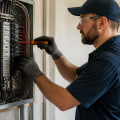
When it comes to electrical installation services, understanding the necessary permits for electrical work is crucial for both safety and compliance. Electrical installations, whether in residential, commercial, or industrial settings, involve complex systems that must adhere to strict regulations. These regulations are designed to protect not only the property but also the individuals who inhabit or work within those spaces. Without the proper permits, electrical work can lead to hazardous situations, including fire risks and electrical failures.Obtaining electrical permits is not just a bureaucratic hurdle; it is a vital step in ensuring that all installations meet local codes and standards.
Each municipality may have different requirements regarding what types of permits are needed based on the scope of the project. For instance, minor repairs might require a simple notification, while extensive rewiring or new installations typically necessitate more comprehensive permits and inspections.Moreover, engaging with licensed professionals who understand the intricacies of electrical installation services can streamline the permitting process. These experts are familiar with local regulations and can help navigate the often-complex landscape of permit applications. By prioritizing compliance through proper permitting, homeowners and business owners can ensure that their electrical systems are safe, reliable, and up to code.
Why Permits are Necessary for Electrical Installations
Obtaining the necessary permits for electrical installations is not just a bureaucratic hurdle; it is a critical step that ensures the safety and legality of the work being performed.Here are some key reasons why these permits are essential:
- Safety: Electrical installations can pose significant risks if not executed correctly. Permits ensure that the work adheres to established safety standards, reducing the likelihood of electrical fires, shocks, or other hazards. Inspections conducted as part of the permitting process help identify potential issues before they become dangerous.
- Legal Compliance: Many jurisdictions require permits for electrical work to comply with local building codes and regulations. Failing to obtain the necessary permits can result in fines, legal action, or even the requirement to redo the work at your own expense.
- Insurance Considerations: In the event of an accident or damage related to electrical work, having the proper permits can be crucial for insurance claims.
Insurance companies may deny coverage if the work was done without the required permits, leaving homeowners liable for any damages.
- Property Value: Properly permitted electrical installations can enhance property value. Potential buyers often look for homes with verified compliance to safety standards, which can make a significant difference during resale.
Types of Permits Required for Electrical Installation Services
When undertaking electrical installation services, understanding the various types of permits required is crucial for compliance and safety. Different jurisdictions may have specific regulations, but generally, the following permits are commonly needed:- Electrical Permit: This is the most fundamental permit required for any electrical work.
It ensures that the installation meets local codes and safety standards.
- Building Permit: If the electrical installation is part of a larger construction or renovation project, a building permit may also be necessary. This permit verifies that the overall structure complies with zoning laws and building codes.
- Temporary Power Permit: For projects requiring temporary electrical service, such as construction sites, a temporary power permit is essential. This allows for safe and legal use of electricity during the project.
- Low Voltage Permit: If your installation involves low voltage systems (like security systems or telecommunications), a low voltage permit may be required. This ensures that these systems are installed safely and correctly.
- Specialty Permits: Depending on the nature of the installation, additional permits may be needed for specific systems, such as solar panels or generators.
These specialty permits ensure compliance with unique regulations governing these technologies.
How to Obtain Electrical Installation Permits
Obtaining the necessary electrical installation permits is a crucial step in ensuring that your project complies with local regulations and safety standards. Here’s a step-by-step guide to help you navigate the process:- Research Local Requirements: Before starting your application, check with your local building department or municipal office to understand the specific requirements for electrical installation services. Regulations can vary significantly by location.
- Gather Necessary Documentation: Prepare all required documents, which may include:
- Detailed plans of the electrical work to be performed
- Proof of contractor licensing (if applicable)
- Any previous permits related to the property
- Complete the Application: Fill out the permit application form accurately.
Ensure that all information is complete to avoid delays. Many jurisdictions offer online applications, which can streamline the process.
- Submit Your Application: Submit your completed application along with any required fees. Keep a copy of everything you submit for your records.
- Schedule Inspections: After your permit is approved, you may need to schedule inspections at various stages of your electrical installation. This ensures compliance with safety codes and regulations.
- Final Approval: Once all inspections are passed, you will receive final approval for your electrical installation.
Make sure to keep this documentation as proof of compliance.
- Start the permit application process early to account for any potential delays.
- If you're unsure about any part of the application, consider consulting with a licensed electrician who is familiar with local regulations.
- Stay organized by keeping all correspondence and documentation related to your permit in one place.
Common Mistakes When Applying for Electrical Permits
Applying for electrical permits can be a daunting task, and many applicants make common mistakes that can delay the approval process. Understanding these pitfalls is crucial for anyone seeking electrical installation services. Here are some frequent errors to watch out for:- Incomplete Applications: One of the most common mistakes is submitting an application that lacks necessary information. Ensure that all sections are filled out completely, including details about the project scope, location, and contractor information.
- Incorrect Fees: Each jurisdiction has specific fee structures for permit applications.
Failing to include the correct payment can lead to immediate rejection. Always verify the fee schedule before submitting your application.
- Not Following Local Codes: Different areas have unique electrical codes and regulations. Ignoring these can result in permit denial. Familiarize yourself with local codes or consult with a professional to ensure compliance.
- Missing Supporting Documents: Many applications require additional documentation, such as plans or specifications.
Omitting these documents can cause significant delays. Double-check the requirements for your specific project.
- Neglecting to Update Information: If there are changes to your project after submission, such as alterations in design or scope, it’s essential to update your application promptly. Failure to do so can lead to complications during inspections.
- Review Requirements Thoroughly: Before starting your application, take time to read through all requirements provided by your local permitting authority.
- Consult with Professionals: If you’re unsure about any aspect of the application process, don’t hesitate to seek advice from experienced electricians or permit specialists.
- Create a Checklist: Develop a checklist of all required documents and information needed for your application to ensure nothing is overlooked.
FAQs About Electrical Installation Permits
When it comes to electrical installation services, understanding the necessary permits can be crucial for ensuring compliance and safety. Here are some frequently asked questions regarding electrical installation permits:- What is an electrical permit?
An electrical permit is a legal authorization issued by local authorities that allows a licensed electrician to perform electrical work in a specific area.This ensures that the work meets safety codes and regulations.
- Do I need a permit for minor electrical work?
In many jurisdictions, minor electrical work such as replacing outlets or light fixtures may not require a permit. However, it’s essential to check local regulations, as requirements can vary. - How do I obtain an electrical permit?
To obtain an electrical permit, you typically need to submit an application to your local building department. This may include details about the scope of work, plans, and sometimes fees. - What happens if I don’t get a permit?
Failing to obtain the necessary permits can lead to fines, delays in your project, and potential safety hazards. Additionally, unpermitted work may not be covered by insurance. - Are there different types of electrical permits?
Yes, there are various types of permits depending on the nature of the work.Common types include residential permits for home installations and commercial permits for business-related electrical work.
Conclusion: The Importance of Compliance in Electrical Installations
In conclusion, understanding the various permits required for electrical installation services is crucial for ensuring safety and compliance with local regulations. Throughout this article, we have explored the different types of permits that may be necessary, including building permits, electrical permits, and specialized permits for specific installations.Obtaining the correct permits not only protects the integrity of the installation but also safeguards the property and its occupants. Failure to secure the appropriate permits can lead to serious consequences, including:- Legal repercussions: Non-compliance with local codes can result in fines or legal action.
- Safety hazards: Unpermitted work may not meet safety standards, increasing the risk of electrical fires or shocks.
- Insurance issues: In the event of an accident, insurance claims may be denied if proper permits were not obtained.
These experts can help navigate the complexities of obtaining necessary approvals and ensure that all work is performed to code.Ultimately, prioritizing compliance in electrical installations is not just about following rules; it’s about fostering a safe environment for everyone involved. By taking the time to understand and secure the right permits, you contribute to a culture of safety and responsibility in electrical work.