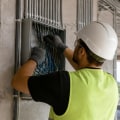
Electrical installation services play a crucial role in modern infrastructure, ensuring that our homes, offices, and public spaces are equipped with safe and reliable electrical systems. These services encompass a wide range of tasks, from the installation of wiring and outlets to the setup of complex lighting systems and electrical panels. Understanding the scope of electrical installation services is essential for anyone looking to enhance their property’s functionality while prioritizing safety and compliance with local regulations. The importance of professional electrical installation cannot be overstated. Properly executed installations not only improve energy efficiency but also significantly reduce the risk of electrical hazards such as fires and electrocution.
By adhering to established safety standards and codes, qualified electricians ensure that all installations are performed correctly, minimizing potential risks associated with faulty wiring or inadequate grounding. Moreover, engaging a certified electrical installation service guarantees that the work is backed by expertise and experience. This not only provides peace of mind for property owners but also ensures that any future maintenance or upgrades can be carried out seamlessly. As technology evolves, so do the methods and materials used in electrical installations, making it imperative to rely on professionals who stay updated with the latest industry practices.
Key Safety Regulations and Standards
When it comes to electrical installation services, adhering to safety regulations and standards is paramount. These guidelines ensure that installations are not only efficient but also safe for both the installers and the end-users.One of the most critical frameworks governing electrical installations in the United States is the National Electrical Code (NEC).The NEC provides a comprehensive set of rules designed to minimize the risk of electrical hazards. It covers various aspects, including:
- Wiring methods: Specifications on how wires should be installed to prevent overheating and short circuits.
- Grounding requirements: Guidelines for grounding electrical systems to protect against electrical shock.
- Overcurrent protection: Standards for circuit breakers and fuses to prevent excessive current flow.
Other Relevant Safety Guidelines
Beyond the NEC, several other organizations contribute to electrical safety standards:- Occupational Safety and Health Administration (OSHA): OSHA sets forth regulations that protect workers from electrical hazards on job sites.
- Institute of Electrical and Electronics Engineers (IEEE): IEEE develops standards that focus on the technical aspects of electrical installations.
- Underwriters Laboratories (UL): UL tests and certifies electrical products to ensure they meet safety standards.
Personal Protective Equipment (PPE) for Electricians
When it comes to electrical installation services, the safety of electricians is paramount.One of the most critical aspects of ensuring safety on the job is the use of Personal Protective Equipment (PPE). This equipment not only protects electricians from electrical hazards but also from physical injuries that can occur during installations.
- Hard Hats: Essential for protecting the head from falling objects and potential electrical hazards. Hard hats should meet the standards set by the American National Standards Institute (ANSI).
- Safety Glasses: These are crucial for protecting the eyes from debris, sparks, and other flying particles that can occur during electrical work.
- Insulated Gloves: Electricians must wear gloves that are specifically designed to protect against electrical shock. Insulated gloves should be rated for the voltage levels they will encounter.
- Flame-Resistant Clothing: Wearing flame-resistant clothing is vital, especially when working near live wires or in environments where there is a risk of fire.
This type of clothing helps prevent burns in case of an electrical arc flash.
- Steel-Toed Boots: These boots provide protection against heavy objects that may fall and also offer insulation against electrical hazards.
- Ear Protection: In noisy environments, earplugs or earmuffs can help protect hearing, which is often overlooked but equally important.
Risk Assessment Procedures in Electrical Installations
Before commencing any electrical installation, a thorough risk assessment is essential to ensure the safety of both the workers and the environment. Electricians follow a systematic approach to identify potential hazards associated with the specific project.Identifying Hazards
- Electrical Hazards: These include exposed wires, overloaded circuits, and faulty equipment that can lead to electric shocks or fires.
- Environmental Hazards: Factors such as wet conditions, proximity to water sources, and extreme weather can increase risks during installation.
- Physical Hazards: This encompasses risks from working at heights, using heavy tools, or navigating through confined spaces.
This involves considering the likelihood of an incident occurring and the potential severity of its consequences. The assessment helps in prioritizing which risks need immediate attention and which can be managed with standard safety protocols.
Implementing Safety Measures
After assessing risks, electricians implement necessary precautions to mitigate them. Common safety measures include:
- Personal Protective Equipment (PPE): Electricians are required to wear appropriate PPE such as insulated gloves, safety goggles, and hard hats to protect against electrical hazards.
- Lockout/Tagout Procedures: These procedures ensure that electrical systems are properly shut off and not able to be started up again until maintenance or installation work is completed.
- Use of Ground Fault Circuit Interrupters (GFCIs): GFCIs are crucial in preventing electrical shock by shutting off power when they detect an imbalance in electrical current.
Safe Work Practices During Electrical Installations
Ensuring safety during electrical installations is paramount for electricians. By adhering to safe work practices, professionals can significantly reduce the risk of accidents and injuries.Here are some essential safety measures that should be followed:
- Personal Protective Equipment (PPE): Always wear appropriate PPE, including insulated gloves, safety glasses, and hard hats. This gear protects against electrical shocks and falling objects.
- Proper Tool Usage: Use tools that are specifically designed for electrical work. Ensure that all tools are in good condition and insulated to prevent accidental shocks.
- Lockout/Tagout Procedures: Before starting any installation, implement lockout/tagout procedures to ensure that all electrical sources are de-energized and cannot be accidentally turned on.
- Work Area Organization: Keep the work area clean and organized. Remove any unnecessary materials or tools that could create tripping hazards or distractions.
- Awareness of Surroundings: Always be aware of your surroundings, including overhead power lines and other potential hazards.
Maintain a safe distance from live wires and equipment.
- Conduct Regular Inspections: Regularly inspect electrical systems and installations for signs of wear or damage. Early detection can prevent serious issues.
- Stay Updated on Codes: Familiarize yourself with local electrical codes and regulations. Compliance ensures not only safety but also legal adherence.
- Continuous Training: Engage in ongoing training to stay informed about the latest safety protocols and technologies in the electrical field.
Emergency Procedures and First Aid in Electrical Work
In the realm of electrical installation services, having well-defined emergency procedures is crucial for ensuring the safety of both workers and clients. Electrical work inherently involves risks, and being prepared for emergencies can significantly mitigate potential hazards.Emergency Procedures for Electricians
Electricians should be trained to recognize and respond to various electrical emergencies.Key procedures include:
- Immediate Power Shutdown: The first step in any electrical emergency is to cut off the power supply to prevent further injury or damage.
- Assessing the Situation: Electricians must quickly evaluate the nature of the emergency, whether it involves electrical shock, fire, or equipment failure.
- Calling for Help: If the situation is beyond their control, electricians should contact emergency services or a qualified supervisor immediately.
First Aid for Electrical Accidents
Understanding basic first aid is essential for electricians. In cases of electrical shock, the following steps should be taken:- Do Not Touch the Victim: If someone is electrocuted, do not touch them until the power source is turned off to avoid becoming a victim yourself.
- Administer CPR: If the victim is unresponsive and not breathing, begin CPR immediately while waiting for professional help.
- Use an AED: If available, an Automated External Defibrillator (AED) can be used to restore normal heart rhythm.
Training and Certification for Electrical Installers
To ensure the highest standards of safety and compliance, electrical installation services require electricians to undergo rigorous training and obtain necessary certifications.This process not only equips them with essential skills but also keeps them updated on the latest safety regulations and technologies.
Training for Electricians
- Electricians typically start their careers through an apprenticeship program, which combines hands-on training with classroom instruction. This dual approach allows them to learn from experienced professionals while gaining practical experience.
- During their training, electricians cover a wide range of topics, including electrical theory, circuitry, safety protocols, and local building codes. This comprehensive education is crucial for understanding the complexities of electrical systems.
Certification Requirements for Electrical Installation
- Most states require electricians to obtain a license before they can work independently. This often involves passing a written exam that tests their knowledge of electrical codes and safety practices.
- Certifications from recognized organizations, such as the National Institute for Certification in Engineering Technologies (NICET), can enhance an electrician's credentials and demonstrate their commitment to professional development.
Continuing Education for Electricians
- The field of electrical installation is constantly evolving due to advancements in technology and changes in regulations.
Therefore, many states mandate continuing education courses for licensed electricians to maintain their licenses.
- These courses often focus on new safety standards, innovative installation techniques, and emerging technologies such as renewable energy systems. By participating in ongoing education, electricians can ensure they remain knowledgeable and competent in their field.
Common FAQs About Electrical Installation Safety Measures
When it comes to electrical installation services, safety is paramount. Here are some common questions regarding the safety measures that professionals follow:- What safety protocols do electricians follow during installations?
Electricians adhere to strict safety protocols, including wearing personal protective equipment (PPE) such as gloves, helmets, and goggles.They also follow the National Electrical Code (NEC) guidelines to ensure compliance with safety standards.
- How do electricians ensure the safety of their work environment?
Before starting any project, electricians conduct a thorough assessment of the work site. This includes checking for potential hazards like exposed wires, wet conditions, or unstable structures. They also ensure that all tools and equipment are in good working condition. - Are there specific training requirements for electricians?
Yes, electricians must complete extensive training and apprenticeship programs that cover electrical theory, safety practices, and hands-on experience. Many states also require licensing to ensure that electricians are qualified to perform installations safely. - What should homeowners do to maintain electrical safety?
Homeowners can contribute to electrical safety by regularly inspecting their electrical systems, avoiding overloading circuits, and ensuring that all installations are performed by licensed professionals.Additionally, they should be aware of the signs of electrical issues, such as flickering lights or frequent circuit breaker trips.
Conclusion: The Importance of Safety in Electrical Installations
In conclusion, the significance of safety in electrical installation services cannot be overstated. Throughout this article, we have explored various safety measures that professionals adhere to in order to protect both themselves and their clients. These measures are not merely guidelines; they are essential practices that ensure the integrity of electrical systems and the safety of individuals.One of the primary aspects discussed is the importance of following local and national electrical codes. Compliance with these regulations not only minimizes risks but also guarantees that installations are performed to a standard that can withstand scrutiny.Additionally, using high-quality materials and components is crucial in preventing future hazards.
Training and Certification
Moreover, the role of training and certification for electricians cannot be overlooked. Professionals in the field undergo rigorous training to understand the complexities of electrical systems, which equips them with the knowledge to identify potential hazards before they become serious issues.- Regular Inspections: Conducting routine inspections helps in identifying wear and tear or any potential faults in the system.
- Personal Protective Equipment (PPE): The use of appropriate PPE is vital for safeguarding electricians from electrical shocks and other workplace hazards.
- Emergency Protocols: Having clear emergency protocols ensures that all personnel know how to respond effectively in case of an incident.