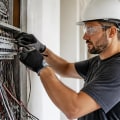
When it comes to enhancing the functionality and safety of your home, electrical installation services play a pivotal role. These services encompass a wide range of tasks, from installing new wiring and outlets to upgrading electrical panels and integrating smart home technology. Understanding what these services entail is essential for homeowners looking to improve their living spaces while ensuring compliance with safety standards. There are various types of electrical installation services available, each tailored to meet specific needs. For instance, residential installations often include lighting design, circuit installations, and appliance connections.
On the other hand, commercial installations may focus on larger-scale projects such as energy-efficient systems and complex wiring setups. Regardless of the type, hiring a professional for these tasks is crucial, as they possess the expertise to navigate local codes and regulations effectively. The benefits of hiring professionals for electrical installation services extend beyond mere compliance; they also include enhanced safety and efficiency. Professionals can identify potential hazards that an untrained eye might overlook, ensuring that your electrical systems operate smoothly and safely. Moreover, their experience allows them to complete installations more quickly and accurately, saving you time and reducing the risk of costly mistakes.
Assessing Your Home's Electrical Needs
Preparing for an electrical installation service begins with a thorough assessment of your home's electrical needs.Understanding your current electrical system is crucial to identify any potential issues and ensure a smooth installation process.
How to Assess Electrical Needs
- Evaluate Your Current Usage: Take note of how many devices and appliances you regularly use. This includes everything from lighting fixtures to kitchen appliances. Understanding your power consumption will help you determine if your current system can handle additional loads.
- Check for Outdated Wiring: If your home is older, it may have outdated wiring that cannot support modern electrical demands. Look for signs of fraying or discoloration in wires, which can indicate wear and tear.
- Inspect Circuit Breakers: Ensure that your circuit breakers are functioning properly.
Frequent tripping or blown fuses can signal that your system is overloaded or that there are underlying issues that need addressing.
Common Electrical Issues
- Flickering Lights: If your lights flicker or dim when you use other appliances, it may indicate that your electrical system is struggling to meet demand.
- Warm Outlets: Outlets that feel warm to the touch can be a sign of faulty wiring or overloading, both of which require immediate attention from a professional.
- Burning Smell: A burning smell near outlets or switches is a serious warning sign that should never be ignored. This could indicate overheating wires or faulty connections.
Signs You Need an Electrician
- If you experience frequent power outages or surges, it's time to consult an electrician.
- If you notice any unusual sounds, such as buzzing or crackling from outlets, this could indicate a serious issue.
- If you plan to add new appliances or systems, such as HVAC units or home theaters, an electrician can help ensure your current setup can accommodate these additions safely.
Choosing the Right Electrical Installation Service Provider
When it comes to hiring an electrical installation service, making the right choice can significantly impact the safety and efficiency of your home’s electrical system. Here are some essential tips to help you select a qualified and reliable provider.Verify Credentials
Before hiring an electrician, ensure they are properly licensed and insured. A licensed electrician has undergone the necessary training and adheres to local codes and regulations.Additionally, insurance protects you from liability in case of accidents or damages during the installation process.
Ask the Right Questions
Engaging with potential electricians through a series of questions can provide insight into their expertise and reliability. Consider asking:- How long have you been in business? Experience often correlates with quality.
- Can you provide references? Speaking with past clients can give you a sense of their work ethic and reliability.
- What is your approach to safety? A good electrician prioritizes safety measures in their work.
- Do you offer warranties on your work? This shows confidence in their services and provides peace of mind.
Licensed vs Unlicensed Electricians
While unlicensed electricians may offer lower rates, hiring them can lead to significant risks. Unlicensed professionals may lack the necessary training, which can result in poor workmanship and safety hazards. In contrast, licensed electricians are required to meet specific standards, ensuring that your electrical installation service is performed correctly and safely.In conclusion, taking the time to choose the right electrical installation service provider is crucial for ensuring a safe and effective electrical system in your home.By verifying credentials, asking pertinent questions, and understanding the differences between licensed and unlicensed electricians, you can make an informed decision that protects both your home and your investment.
Preparing Your Home for the Installation Day
Preparing your home for an electrical installation service is crucial to ensure a seamless and efficient process. Here are some practical steps you can take to get ready for the installation day:- Clear the Work Area: Identify the locations where the electricians will be working, such as circuit panels, outlets, or light fixtures. Remove any furniture, decorations, or obstacles that could hinder their access. This not only helps the electricians do their job more efficiently but also protects your belongings from potential damage.
- Ensure Safety: Make sure that the work area is safe for both you and the electricians.
If there are any pets in the house, consider keeping them in a separate room or outside to avoid distractions and ensure their safety during the installation.
- Communicate with Your Electrician: Before the installation day, discuss any specific requirements or concerns with your electrician. This could include details about existing wiring, preferred locations for new outlets, or any special requests you may have. Clear communication can help prevent misunderstandings and ensure that your needs are met.
- Prepare for Power Outages: Depending on the scope of the electrical work being done, there may be temporary power outages. Inform your family members and prepare accordingly by charging devices and planning activities that don’t require electricity.
- Check Local Regulations: Familiarize yourself with any local regulations or permits required for electrical work in your area.
This can help avoid delays on installation day and ensure compliance with safety standards.
Safety Precautions During Electrical Installation
When preparing for an electrical installation service, ensuring safety is paramount. Here are some essential safety precautions to consider:- Turn Off Power: Before any work begins, make sure to turn off the power at the circuit breaker. This simple step can prevent electrical shocks and accidents.
- Use Proper Tools: Ensure that all tools used during the installation are insulated and rated for electrical work.
Using the right tools minimizes the risk of accidents.
- Wear Protective Gear: Equip yourself with safety glasses, gloves, and non-conductive footwear. This protective gear can safeguard you from potential hazards.
- Keep the Area Dry: Water and electricity do not mix. Ensure that the installation area is dry to avoid any risk of electrocution.
- Avoid Overloading Circuits: Be mindful of the load on existing circuits. Overloading can lead to overheating and potential fire hazards.
Here are some tips to stay safe during the installation:
- Read Instructions Carefully: Always read and understand the manufacturer’s instructions for any electrical components being installed.
- Hire Qualified Professionals: If you’re unsure about any aspect of the installation, consider hiring a licensed electrician. Their expertise can ensure that everything is done safely and correctly.
- Keep Children and Pets Away: During the installation process, keep children and pets at a safe distance from the work area to prevent accidents.
Post-Installation Checklist and Maintenance Tips
Once your electrical installation service is complete, it’s essential to follow a thorough post-installation checklist to ensure everything is functioning correctly and safely. Here are some key steps to consider:- Inspect the Work: Take a moment to visually inspect the areas where the installation took place. Look for any exposed wires, loose connections, or signs of damage.
- Test All Outlets and Switches: Use a voltage tester to check that all outlets and switches are working properly.
This will help identify any immediate issues that need addressing.
- Check Circuit Breakers: Ensure that all circuit breakers are functioning as intended. Reset any tripped breakers and monitor them for future trips.
- Review Safety Features: If your installation included safety features like GFCI outlets or surge protectors, test these to confirm they are operational.
- Schedule Regular Maintenance Checks: It’s advisable to have a professional electrician conduct maintenance checks at least once a year. This can help catch potential issues before they become serious problems.
- Keep an Eye on Usage: Monitor your electrical usage and be aware of any unusual spikes in your electricity bill, which could indicate an underlying issue.
- Stay Informed: Familiarize yourself with the signs of electrical problems, such as flickering lights, buzzing sounds, or burning smells.
Address these issues immediately by contacting a professional.
Frequently Asked Questions About Electrical Installation Services
When considering an electrical installation service, homeowners often have numerous questions. Here are some of the most frequently asked questions to help you navigate the process.What types of electrical installations can I request?
Electrical installation services can cover a wide range of needs, including:- Wiring upgrades for older homes
- Installation of new outlets or switches
- Lighting installations, both indoor and outdoor
- Electrical panel upgrades
- Smart home technology integration
How do I choose the right electrician?
Selecting the right electrician is crucial for a successful installation. Consider the following:- Check for proper licensing and insurance.
- Look for reviews and testimonials from previous clients.
- Ask about their experience with specific types of installations.
- Get multiple quotes to compare pricing and services.
What is the average cost of electrical installation services?
The cost of hiring an electrical installation service can vary widely based on several factors:- The complexity of the job.
- Your geographical location.
- The electrician's experience level.
Conclusion: Ensuring a Successful Electrical Installation Experience
In conclusion, preparing your home for an electrical installation service is crucial for ensuring a smooth and efficient process.By taking the time to understand the requirements and following the necessary steps, you can significantly enhance the overall experience and outcome of the installation.First and foremost, it is essential to conduct a thorough assessment of your home’s electrical needs. This includes identifying areas that require upgrades or repairs, as well as determining the specific services you will need from your electrician. Having a clear understanding of your requirements will not only help you communicate effectively with the service provider but also ensure that all necessary materials and tools are readily available.Next, consider the physical space where the installation will take place. Clear any obstacles that may hinder access to electrical panels, outlets, or wiring.
This not only facilitates a quicker installation but also ensures the safety of both you and the technicians involved.Additionally, it is wise to inform your household about the upcoming work. Discussing the timeline and potential disruptions can help manage expectations and minimize inconvenience during the installation process.Lastly, don’t forget to verify that your chosen electrical installation service is licensed and insured. This step is vital for protecting yourself from liability and ensuring that you receive quality workmanship.By following these guidelines, you can pave the way for a successful electrical installation experience that meets your needs and enhances the safety and functionality of your home.