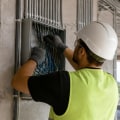
An electrical installation service encompasses a wide range of tasks and responsibilities aimed at ensuring that electrical systems are safely and efficiently set up in residential, commercial, and industrial settings. This service is crucial for both new constructions and renovations, as it involves the installation of wiring, outlets, lighting fixtures, and various electrical appliances. Understanding what an electrical installation service entails is essential for homeowners and business owners alike, as it directly impacts safety, functionality, and energy efficiency. At its core, an electrical installation service includes the planning, design, and execution of electrical systems. This process begins with a thorough assessment of the site to determine the specific electrical needs based on the intended use of the space.
Qualified electricians then create detailed plans that comply with local codes and regulations, ensuring that all installations are performed safely and effectively. From installing circuit breakers to setting up complex lighting systems, these services cover every aspect of electrical work. Moreover, an effective electrical installation service not only focuses on immediate needs but also considers future scalability and energy efficiency. Electricians often recommend energy-efficient solutions such as LED lighting or smart home systems that can significantly reduce electricity costs over time. By investing in professional electrical installation services, clients can ensure that their electrical systems are not only functional but also optimized for long-term performance.
Types of Electrical Installation Services
When it comes to electrical installation services, understanding the different types available is crucial for both homeowners and business owners.Each type of installation has its own set of requirements, regulations, and considerations that must be addressed to ensure safety and compliance.
Residential Electrical Installation
Residential electrical installation encompasses a wide range of services tailored to meet the needs of individual homes. This includes:- Wiring and Rewiring: Installing new wiring systems or upgrading existing ones to meet modern electrical demands.
- Lighting Installation: Setting up indoor and outdoor lighting fixtures, including energy-efficient options.
- Electrical Panel Upgrades: Replacing outdated panels to accommodate increased power loads.
- Outlet Installation: Adding new outlets or replacing old ones to enhance accessibility and safety.
- Appliance Hookups: Connecting major appliances like refrigerators, ovens, and HVAC systems.
Commercial Electrical Installation
Commercial electrical installation, on the other hand, involves more complex systems designed for larger buildings and facilities. Key aspects include:- High-Voltage Systems: Installing systems that handle higher voltage levels necessary for commercial operations.
- Emergency Lighting and Exit Signs: Ensuring compliance with safety regulations by installing emergency lighting systems.
- Data and Communication Wiring: Setting up networks for internet and telecommunications, crucial for business operations.
- Energy Management Systems: Implementing systems that monitor and control energy usage to improve efficiency.
- Industrial Equipment Wiring: Connecting heavy machinery and equipment used in manufacturing or production environments.
Key Components of Electrical Installation Services
When considering an electrical installation service, it is essential to understand the key components that make up the entire process.Each element plays a crucial role in ensuring safety, efficiency, and functionality in both residential and commercial settings.
- Wiring: The backbone of any electrical system, wiring is responsible for carrying electricity throughout a building. Different types of wiring, such as copper and aluminum, are used depending on the specific requirements of the installation. Proper installation and insulation are vital to prevent electrical hazards.
- Circuit Breakers: These devices are essential for protecting electrical circuits from overloads and short circuits. A well-designed electrical installation will include appropriately rated circuit breakers that can handle the expected load while providing safety features to prevent damage.
- Outlets: Electrical outlets are the points where electricity is accessed for various appliances and devices.
The installation service should ensure that outlets are strategically placed throughout the space, adhering to local codes and regulations. Additionally, incorporating GFCI (Ground Fault Circuit Interrupter) outlets in areas prone to moisture is crucial for safety.
- Fixtures: Lighting fixtures, ceiling fans, and other electrical devices must be installed correctly to ensure optimal performance. This includes not only the physical installation but also ensuring that they are compatible with the existing electrical system.
The Electrical Installation Process
The electrical installation process is a systematic approach that ensures safety, efficiency, and compliance with local regulations.Understanding the steps involved can help homeowners and businesses prepare for a successful installation.
- Initial Consultation: The process begins with an initial consultation where the electrician assesses the specific needs of the client. This includes discussing the scope of work, budget, and timeline.
- Site Assessment: Following the consultation, a thorough site assessment is conducted. This involves evaluating existing electrical systems, identifying potential challenges, and determining the best installation methods.
- Design Planning: Based on the assessment, a detailed design plan is created. This plan outlines the layout of wiring, placement of outlets, switches, and fixtures, ensuring optimal functionality and safety.
- Permitting: Before any physical work begins, necessary permits must be obtained.
This step is crucial to ensure that all installations comply with local building codes and regulations.
- Installation: The actual installation process involves running wires, installing outlets, switches, and circuit breakers. Electricians follow the design plan meticulously to ensure everything is set up correctly.
- Testing: Once installation is complete, thorough testing is conducted to ensure that all systems are functioning properly. This includes checking for any electrical faults or safety hazards.
- Final Inspection: A final inspection by a licensed inspector may be required to verify that the installation meets all safety standards and regulations. This step provides peace of mind for both the electrician and the client.
Each phase plays a vital role in delivering a safe and effective electrical system that meets modern demands.
Safety Standards and Regulations in Electrical Installations
When it comes to electrical installation services, adhering to safety standards and regulations is paramount. These guidelines are designed to protect both the installer and the end-users from potential hazards associated with electrical systems.One of the most critical frameworks governing electrical installations in the United States is the National Electrical Code (NEC). The NEC is a set of standards that outlines safe practices for electrical wiring and equipment installation. It is updated every three years to incorporate new technologies and safety measures, ensuring that installations remain current with industry advancements.Key aspects of the NEC include:- Wiring Methods: The NEC specifies approved wiring methods and materials to minimize risks such as short circuits and electrical fires.
- Grounding Requirements: Proper grounding is essential for preventing electrical shock.
The NEC outlines specific grounding techniques that must be followed.
- Load Calculations: Installers must perform load calculations to ensure that circuits can handle the electrical demand without overloading.
- Installation of Equipment: The code provides guidelines on how to safely install various electrical devices, including outlets, switches, and circuit breakers.
Choosing the Right Electrical Installation Service Provider
Choosing the right electrical installation service provider is crucial for ensuring safety, compliance, and quality in your electrical projects.Here are some essential tips to guide you in making an informed decision.
1.Verify Qualifications and Licenses
Before hiring an electrician, confirm that they hold the necessary licenses and certifications required by your state. A qualified electrician should have completed formal training and possess a valid license to operate legally. This not only ensures their expertise but also protects you from potential liabilities.2.Check Experience and Specialization
Experience matters significantly in the electrical field. Look for providers who have a proven track record in electrical installation services.Additionally, consider whether they specialize in residential, commercial, or industrial installations, depending on your specific needs.
3.Ask for References and Reviews
Request references from previous clients and check online reviews to gauge the provider's reputation. Positive feedback from past customers can give you confidence in their reliability and quality of work.4.Inquire About Insurance
Ensure that the electrician carries adequate insurance coverage, including liability insurance and workers' compensation. This protects you from financial responsibility in case of accidents or damages during the installation process.5.Get Detailed Estimates
Request written estimates from multiple providers to compare pricing and services offered. A detailed estimate should outline labor costs, materials needed, and any additional fees.Be wary of quotes that seem unusually low, as they may indicate subpar work or hidden costs.
6.Questions to Ask
- What is your experience with similar projects?
- Can you provide references from past clients?
- What warranties do you offer on your work?
- How do you handle unexpected issues during installation?
- What is your estimated timeline for completion?
Common FAQs About Electrical Installation Services
When considering an electrical installation service, many homeowners and business owners have questions regarding the process, costs, and safety measures involved. Here are some of the most common FAQs:What types of services are included in electrical installation?
An electrical installation service typically encompasses a variety of tasks, including:- Wiring for new constructions or renovations
- Installation of lighting fixtures and outlets
- Upgrading electrical panels
- Installing circuit breakers and safety switches
- Setting up home automation systems
- Installing generators and backup power systems
How do I know if I need an electrical installation service?
If you are planning to add new appliances, renovate your space, or if your current electrical system is outdated or malfunctioning, it’s advisable to consult with a professional. Signs that you may need an installation service include:- Frequent circuit breaker trips
- Flickering lights
- Burning smells or scorch marks around outlets
- Inadequate power supply for your needs
What should I look for in an electrical installation service provider?
Choosing the right provider is crucial for ensuring safety and quality. Consider the following:- Licensing and insurance: Ensure the electrician is licensed and carries liability insurance.
- Experience: Look for a provider with a proven track record in electrical installations.
- Reviews and references: Check online reviews and ask for references from previous clients.
- Estimates: Obtain detailed estimates to understand the scope of work and costs involved.
Conclusion: The Importance of Professional Electrical Installation Services
In conclusion, the significance of professional electrical installation services cannot be overstated.As we have explored throughout this article, the complexities involved in electrical installations require not only technical expertise but also a thorough understanding of safety regulations and standards. Hiring qualified professionals ensures that:
- Safety: Licensed electricians are trained to handle electrical systems safely, minimizing the risk of accidents and hazards.
- Compliance: Professionals are well-versed in local codes and regulations, ensuring that all installations meet legal requirements.
- Quality Workmanship: Experienced electricians provide high-quality work that stands the test of time, reducing the likelihood of future issues.
- Efficiency: Professionals can complete installations more quickly and efficiently than untrained individuals, saving you time and potential costs associated with mistakes.