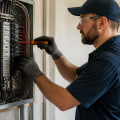
In the realm of construction and renovation, electrical installation services play a pivotal role in ensuring that buildings are not only functional but also safe and efficient. These services encompass a wide range of tasks, from wiring and lighting installations to the integration of advanced electrical systems that meet modern demands. Understanding what these services entail is crucial for homeowners, builders, and contractors alike, as they form the backbone of any electrical infrastructure. The importance of electrical installation cannot be overstated. Proper installation ensures compliance with safety standards and regulations, reducing the risk of electrical hazards such as fires or electrocution.
Moreover, well-executed installations contribute to energy efficiency, which is increasingly vital in today’s environmentally conscious society. As technology evolves, so too do the methods and materials used in electrical installations, making it essential to stay informed about the latest trends. There are various types of electrical installation services, each tailored to meet specific needs. Residential installations typically focus on lighting, outlets, and circuit breakers, while commercial projects may involve more complex systems like data cabling and security lighting. Additionally, specialized services such as renewable energy installations are gaining traction as more individuals and businesses seek sustainable solutions.
By exploring these facets, we can better appreciate how electrical installation services are adapting to meet contemporary challenges and opportunities.
Emerging Technologies in Electrical Installation
As technology continues to evolve, the electrical installation service industry is witnessing a significant transformation driven by emerging technologies. One of the most notable trends is the integration of smart home technology, which allows homeowners to control various aspects of their living environment through their smartphones or voice-activated devices. This shift not only enhances convenience but also promotes energy efficiency, making it a popular choice among modern homeowners.Incorporating Internet of Things (IoT) devices into electrical installations is another trend that is reshaping the landscape. IoT-enabled devices can communicate with each other and provide real-time data, enabling homeowners to monitor energy consumption and optimize usage.For instance, smart thermostats can learn user preferences and adjust heating and cooling systems accordingly, leading to reduced energy bills and a smaller carbon footprint.
Automation in Electrical Services
- Home Automation Systems: These systems allow for centralized control of lighting, security, and HVAC systems, enhancing both comfort and safety.
- Remote Monitoring: Electricians can now offer services that include remote diagnostics and troubleshooting, reducing the need for on-site visits.
- Smart Lighting Solutions: Automated lighting systems can be programmed to adjust based on time of day or occupancy, providing both convenience and energy savings.
Sustainability Trends in Electrical Installations
As the world increasingly prioritizes sustainability, electrical installation services are evolving to meet the demands of eco-conscious consumers and businesses.One of the most significant trends is the integration of green electrical installations, which focus on minimizing environmental impact while maximizing energy efficiency.Modern electrical installations now emphasize the use of energy-efficient systems. These systems not only reduce energy consumption but also lower utility bills for homeowners and businesses alike. For instance, LED lighting has become a standard choice due to its longevity and reduced energy usage compared to traditional incandescent bulbs. Additionally, smart home technologies allow users to monitor and control their energy consumption in real-time, further enhancing efficiency.Another critical aspect of sustainability in electrical installations is the integration of renewable energy sources.
Solar panels are at the forefront of this trend, enabling homeowners to harness solar energy for their electrical needs. Many electrical installation services now offer comprehensive solutions that include solar panel installation, battery storage systems, and electric vehicle charging stations. This shift not only supports individual energy independence but also contributes to a larger movement towards reducing reliance on fossil fuels.Furthermore, regulatory changes and incentives from governments are encouraging both residential and commercial sectors to adopt sustainable practices. Programs that offer tax credits or rebates for installing energy-efficient systems or renewable energy sources are becoming more common, making it financially viable for more people to invest in sustainable electrical solutions.In conclusion, the emphasis on sustainability within electrical installation services is reshaping the industry.
By focusing on green electrical installations, implementing energy-efficient systems, and integrating renewable energy sources, service providers are not only meeting current market demands but also paving the way for a more sustainable future.
Safety Standards and Regulations in Electrical Installation
In the realm of electrical installation services, adherence to safety standards and regulations is paramount. These guidelines not only ensure the safety of the installation process but also protect the end-users from potential hazards. Recent updates in safety standards reflect advancements in technology and a growing emphasis on sustainability.Electrical safety standards
are primarily governed by the National Electrical Code (NEC), which is updated every three years. The latest edition emphasizes the importance of using smart technology in installations, promoting energy efficiency and enhanced safety features.For instance, the integration of ground fault circuit interrupters (GFCIs) and arc fault circuit interrupters (AFCIs) has become more prevalent, significantly reducing the risk of electrical fires and shock.Moreover, regulations for electrical installation have expanded to include guidelines for renewable energy sources, such as solar panels. Installers must now comply with specific codes that govern the safe integration of these systems into existing electrical grids. This shift not only supports environmental sustainability but also aligns with consumer demand for greener energy solutions.Compliance in electrical services is not just about following codes; it also involves obtaining necessary permits and inspections. Local jurisdictions may have additional requirements that go beyond national standards, making it crucial for electrical contractors to stay informed about local regulations.
Failure to comply can result in fines, project delays, or even legal action.In conclusion, staying updated with the latest safety standards and regulations is essential for anyone involved in electrical installation services. By prioritizing compliance and safety, contractors can enhance their reputation while ensuring the well-being of their clients.
The Role of Skilled Labor in Electrical Installation Services
The demand for skilled electricians in the electrical installation services sector has never been higher. As technology evolves and the complexity of electrical systems increases, the need for trained professionals who can navigate these advancements is critical. Skilled labor not only ensures safety and compliance with regulations but also enhances the efficiency and quality of installations.Training programs for electrical installation are becoming more specialized, focusing on emerging technologies such as renewable energy systems, smart home installations, and advanced wiring techniques.Many vocational schools and community colleges now offer comprehensive courses that combine theoretical knowledge with hands-on experience. These programs are designed to equip future electricians with the skills necessary to meet industry demands.
- Apprenticeships: Many electricians begin their careers through apprenticeship programs, which provide on-the-job training under the supervision of experienced professionals. This practical experience is invaluable in developing the skills needed for successful electrical installation.
- Certification: Obtaining certifications in specialized areas, such as solar panel installation or energy efficiency, can significantly enhance an electrician's employability and earning potential.
- Continuing Education: As technology continues to advance, ongoing education is essential for electricians to stay current with new tools, techniques, and regulations.
This trend reflects a broader recognition that effective teamwork and customer interaction are crucial in delivering high-quality electrical installation services.In conclusion, the role of skilled labor in electrical installation services is pivotal. With a focus on training and development, both job seekers and employers can navigate the evolving landscape of this essential industry effectively.
Cost Trends in Electrical Installation Services
Understanding the cost trends in electrical installation services is crucial for homeowners and businesses alike. As technology evolves and demand fluctuates, pricing structures are also changing. Here are some key factors influencing the costs associated with electrical installations:- Material Costs: The prices of essential materials such as wiring, circuit breakers, and fixtures have seen significant fluctuations.
Recent supply chain disruptions have led to increased costs, which can impact overall project budgets.
- Labor Rates: Skilled labor is in high demand, leading to rising hourly rates for electricians. This trend is particularly evident in urban areas where the cost of living is higher.
- Energy Efficiency Standards: With a growing emphasis on sustainability, many installations now incorporate energy-efficient technologies. While these may have a higher upfront cost, they often lead to long-term savings on energy bills.
- Project Scope: Clearly define the scope of your project. Larger or more complex installations will naturally incur higher costs.
- Get Multiple Quotes: Always seek estimates from several contractors to ensure competitive pricing and understand the market rate.
- Plan for Contingencies: It's wise to set aside an additional 10-20% of your budget for unexpected expenses that may arise during the installation process.
Frequently Asked Questions about Electrical Installation Services
When considering electrical installation services, many clients have common questions that can help them make informed decisions.Below are some frequently asked questions regarding these services.
- What types of electrical installations do you offer?
Most electrical installation services cover a wide range of needs, including residential wiring, commercial installations, lighting design, and energy-efficient upgrades. It's essential to choose a service provider that specializes in the type of installation you require. - How do I know if I need an electrical upgrade?
If your home or business is experiencing frequent circuit breaker trips, flickering lights, or outdated wiring, it may be time for an upgrade. Consulting with a licensed electrician can provide clarity on whether your system meets current safety standards. - What should I expect during an electrical installation?
During an installation, the electrician will assess your needs, provide a detailed estimate, and outline the process. Expect to have your power temporarily shut off during the work, and ensure that the area is clear for safe access. - Are there any safety concerns I should be aware of?
Yes, safety is paramount in any electrical installation.Always hire a licensed professional to avoid hazards such as electrical shocks or fire risks. Additionally, ensure that all installations comply with local building codes.
- How can I troubleshoot common electrical issues?
For minor issues like tripped breakers or blown fuses, start by checking your circuit panel. If problems persist or if you encounter more complex issues like faulty outlets or wiring smells, contact a professional immediately.
Conclusion: The Future of Electrical Installation Services
As we look towards the future of electrical installation services, it is clear that the industry is on the brink of significant transformation. The integration of advanced technologies, such as smart home systems and renewable energy solutions, is reshaping how electrical installations are approached and executed.One of the most notable trends is the increasing demand for energy-efficient solutions.Homeowners and businesses alike are prioritizing sustainability, leading to a rise in installations of energy-efficient lighting, solar panels, and smart thermostats. This shift not only reduces energy consumption but also lowers utility costs, making it an attractive option for many.Moreover, the advent of smart technology has revolutionized electrical installations. With the proliferation of Internet of Things (IoT) devices, electricians are now tasked with integrating complex systems that allow for remote monitoring and control. This trend emphasizes the need for skilled professionals who are well-versed in both traditional electrical work and modern technology.In addition to technological advancements, there is a growing emphasis on safety and compliance.
As regulations evolve, electrical installation services must adapt to ensure that all work meets current standards. This focus on safety not only protects clients but also enhances the reputation of service providers.In conclusion, the future of electrical installation services is bright and filled with opportunities. By embracing new technologies, prioritizing energy efficiency, and adhering to safety standards, electricians can position themselves at the forefront of this evolving industry. As these trends continue to develop, ongoing education and adaptation will be key for professionals looking to thrive in this dynamic landscape.